
_edited.png)
Nonprofit Audit Readiness: Why Strong Governance Is the Foundation of Better Audit Results
For nonprofit organizations, audit readiness isn’t something that begins when the auditors arrive. The quality of an audit often reflects decisions and practices that have been in place throughout the year, from the accuracy of financial records and the strength of internal controls to the level of oversight provided by the board.
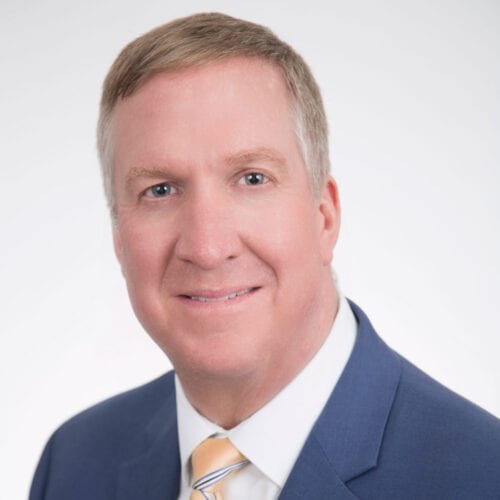
Griffin & Furman Partner Robert Furman has worked with nonprofit organizations at every stage of the audit process and has seen firsthand how year-round governance affects audit readiness.
Where Governance Breaks Down
Strong governance depends on consistent board involvement throughout the year. When that oversight becomes passive, gaps can develop that may not become apparent until the organization is preparing for its audit.
“What I see most often is a lack of active board oversight. That can show up in financial information not being reviewed closely, key decisions not being documented, controls not being monitored, or policies being in place but not consistently followed.” — Robert Furman
Those gaps can carry into the financial reporting process, creating additional questions and challenges during the audit.
The Difference Strong Accounting Makes
A board’s oversight responsibilities include making sure the organization has the financial resources and processes needed to operate effectively. That means treating the accounting function as an ongoing organizational priority rather than something that receives attention only as an audit approaches.
Robert Furman has seen the impact of that investment firsthand:
“I’ve seen nonprofits go from a very difficult audit one year to a much smoother one the next simply because they invested in their accounting function. When the books are kept clean throughout the year and the financial information is organized, it makes a significant difference in the audit.” — Robert Furman
What Engaged Boards Do Differently
The difference between active and passive oversight is what happens between board meetings. Strong boards use financial reporting to understand the organization’s position, question unexpected results, monitor budgets and cash flow, and keep an eye on grant requirements, internal controls and emerging risks. They also make sure significant decisions are documented and established policies are being followed.
As Robert Furman explains:
“An engaged board does more than show up to meetings and vote. Board members ask questions, stay current on the organization’s finances, and make sure the nonprofit is being run the way it should be. It’s about actively overseeing the organization, not just participating in meetings.”
For auditors, that engagement provides evidence that financial oversight is happening throughout the year. Consistent review, documented decisions, and attention to controls can help surface issues earlier, rather than allowing them to emerge for the first time during the audit.
How Strong Governance Shows Up in the Audit
The benefits of strong governance become tangible during the audit. Practices that are part of an organization’s normal operations can provide clearer support for auditors and help resolve issues before they become year-end problems.
Regular financial reviews can identify unusual results early, while timely reconciliations reduce unexplained balances and potential adjustments. Documented decisions and consistent approval processes give auditors evidence of oversight and functioning internal controls. For organizations managing grants or restricted contributions, consistent tracking also provides support for compliance testing.
Strong controls do more than protect organizational assets; they create a reliable financial record throughout the year.
The Risks Boards Need to Watch Next
As nonprofit operations become more reliant on technology, board oversight must expand alongside these changes. Cybersecurity threats can put sensitive donor and financial information at risk, while the growing use of AI introduces new questions about how technology fits within an organization’s existing processes and controls.
Robert Furman sees both as areas that deserve greater attention from nonprofit boards:
“Cybersecurity is a risk nonprofit boards can’t afford to underestimate. Hackers are becoming more sophisticated, and organizations need to protect donor and financial information. AI is another area boards need to start paying attention to. As technology continues to change how nonprofits operate, the challenge will be adapting without losing sight of strong financial controls.”
As these risks evolve, maintaining strong financial processes, effective controls and active oversight will remain essential to helping nonprofits navigate change with confidence.
Our team works with nonprofit organizations to provide audit, accounting and advisory services that support strong financial reporting and transparency. We can help your organization strengthen its financial foundation while staying focused on its mission.


Comments